
No matter how much you eagerly anticipate your first shift in the ED as a medical student, it is also intimidating. For the first time you are presented with a completely undifferentiated patient and asked to come up with a differential, plan, and disposition. No more "Go see the COPD exacerbation in the ED" or "Why does this CT show a case of appendicitis
In the ED, it is not your job to come up with an iron clad diagnosis, it is your job to rule out life threatening conditions or treat them if they exist. And to do that effectively, you need to think differently. Tips for the new EM sub-I:
1. Before every patient, sneak a look at the chief complaint. Physically write down a differential for what could kill a patient with this complaint. List your specific data for inclusion or exclusion of those diseases. If you get nothing else from your encounter but this data, consider it a success.
2. Leave the interview and write down what needs to be done for this patient *now*. What treatments need to be started? Which labs are crucial? This will get you in the habit so you are prepared when you see higher acuity patients.
3. Get your hands dirty. Get involved in the care of your patient. Set up the O2. Draw the labs. Get an IV started. If you don't know how to do it, ask for guidance. The right attitude is an important part of thinking emergency medicine.
Further Reading:
Craving more to shift your brain into thinking emergency medicine? Step into the thought process of an attending emergency physician (audio resolves after 90 seconds):
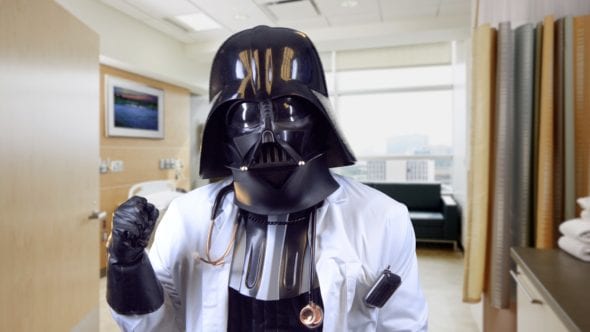
If all else fails, think like Darth Vader, courtesy of Life in the Fast Lane:
Written by
Jonathan St. George, MD
Comments
Post a Comment